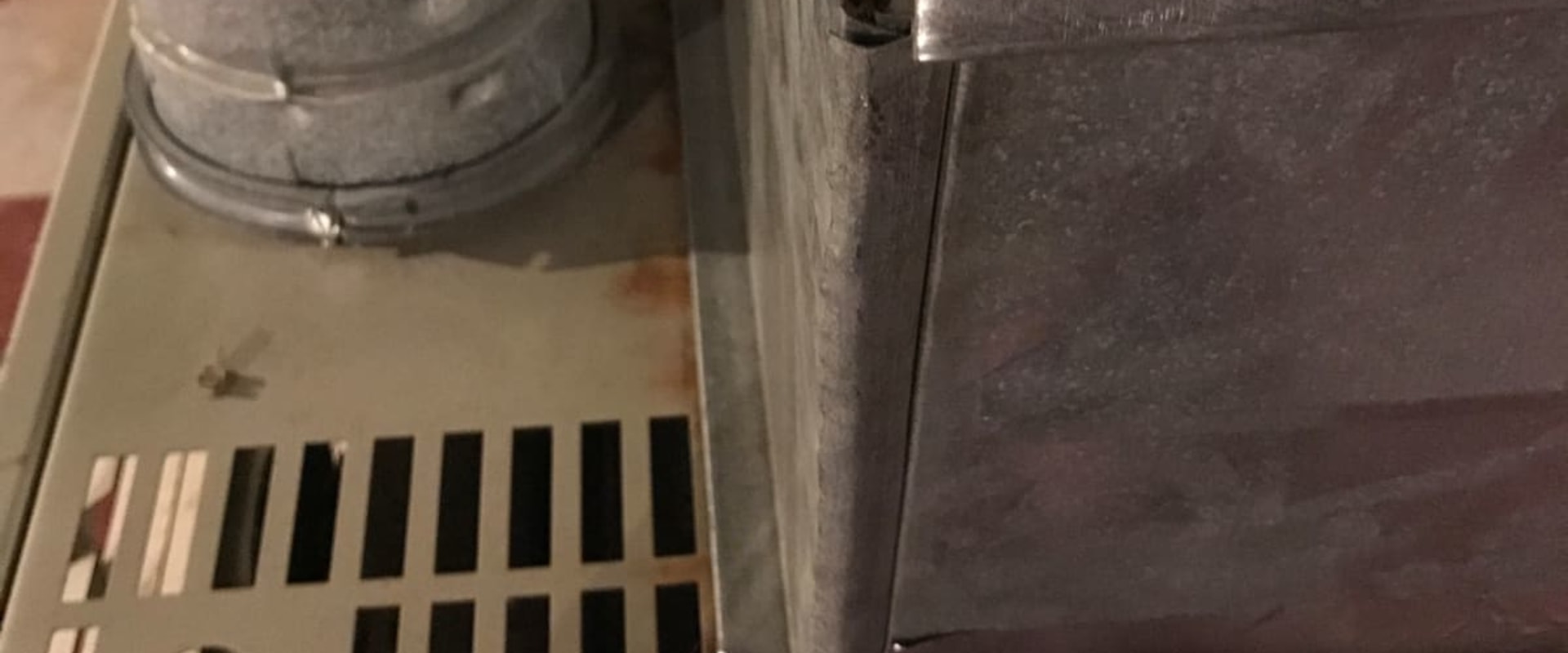
Air duct sealing is a critical component of any HVAC system, playing a vital role in maintaining energy efficiency and ensuring optimal performance. When air ducts are not properly sealed, conditioned air can escape through gaps and leaks, leading to significant energy loss. This not only increases utility bills but also places unnecessary strain on heating and cooling systems, ultimately shortening their lifespan. Understanding the importance of air duct sealing is essential for homeowners and contractors alike, as it directly impacts comfort levels and indoor air quality.Sealing ducts effectively can lead to numerous benefits that extend beyond just energy savings.
For instance, well-sealed ducts help maintain consistent temperatures throughout a home, reducing hot or cold spots that can make living spaces uncomfortable. Additionally, proper sealing minimizes the entry of dust, allergens, and pollutants into the air supply, contributing to a healthier indoor environment. This is particularly important for individuals with respiratory issues or allergies, as clean air circulation can significantly improve their quality of life.Moreover, the process of duct sealing is not merely about applying a sealant; it involves a comprehensive assessment of the entire ductwork system. Identifying leaks and understanding airflow dynamics are crucial steps in ensuring that the sealing process is effective.
By investing time and resources into proper duct sealing, homeowners can enjoy long-term benefits such as reduced energy costs, improved comfort, and enhanced system reliability.
What Are Silicone Sealants?
Silicone sealants are versatile materials widely used in various applications, particularly in the HVAC industry for air duct sealing. These sealants are made from silicone polymers, which provide unique properties that make them ideal for sealing joints and gaps in ductwork.One of the primary reasons for the popularity of silicone sealants is their exceptional flexibility. Unlike traditional adhesives, silicone can expand and contract without losing its adhesive properties, making it perfect for environments where temperature fluctuations are common. This flexibility helps maintain a tight seal even under varying conditions, ensuring that air leaks are minimized.Types of Silicone Sealants
There are several types of silicone sealants available on the market, each designed for specific applications:- Acetic Cure Silicone: This type releases acetic acid during curing, which can be effective for non-porous surfaces.
However, it may not be suitable for all materials due to its corrosive nature.
- Neutral Cure Silicone: Unlike acetic cure silicone, neutral cure silicone does not release harmful byproducts during curing. This makes it safer for use on a wider range of materials, including metals and plastics.
- High-Temperature Silicone: Designed to withstand extreme temperatures, this type is ideal for applications near heat sources, such as around HVAC ducts that may experience high heat.
- Low-Modulus Silicone: This variant offers excellent flexibility and is particularly useful in applications where movement is expected, such as in ductwork that may expand or contract.
Properties of Silicone Sealants
The unique properties of silicone sealants contribute significantly to their effectiveness in air duct sealing. Some key characteristics include:- Moisture Resistance: Silicone sealants are inherently resistant to moisture, preventing mold and mildew growth in damp environments.
- UV Stability: These sealants can withstand prolonged exposure to sunlight without degrading, making them suitable for both indoor and outdoor applications.
- Adhesion: Silicone adheres well to a variety of surfaces, including glass, metal, and plastic, ensuring a strong bond that lasts over time.
- Durability: With a lifespan that often exceeds 20 years when applied correctly, silicone sealants provide long-term solutions for sealing air ducts.
The Advantages of Using Silicone Sealants for Ductwork
When it comes to air duct sealing, the choice of sealant can significantly impact the overall performance and efficiency of an HVAC system.Among the various options available, silicone sealants stand out due to their numerous advantages, making them a preferred choice for both professionals and DIY enthusiasts.
1.Exceptional Durability
One of the most compelling reasons to use silicone sealants in ductwork is their remarkable durability. Unlike traditional sealants that may crack or degrade over time, silicone sealants maintain their integrity even under extreme conditions. They are designed to withstand temperature fluctuations, UV exposure, and moisture, ensuring that they remain effective for years without requiring frequent reapplication.
2.Flexibility and Elasticity
Silicone sealants are known for their flexibility, which allows them to expand and contract with the ductwork as temperatures change. This elasticity is crucial in preventing gaps from forming over time, which can lead to air leaks and reduced system efficiency.
The ability to adapt to movement without losing adhesion makes silicone an ideal choice for dynamic environments.
3.Resistance to Environmental Factors
Another significant advantage of silicone sealants is their resistance to various environmental factors. They are impervious to moisture, which helps prevent mold and mildew growth within ducts. Additionally, silicone sealants resist chemicals and pollutants commonly found in HVAC systems, ensuring that they do not break down or lose effectiveness when exposed to harsh conditions.
4.Easy Application
Silicone sealants are user-friendly and can be easily applied with a caulking gun or putty knife. This ease of application makes them accessible for both professional contractors and homeowners looking to tackle duct sealing projects on their own.
The quick curing time also means that once applied, the system can be back in operation sooner than with other types of sealants.
5.Versatile Use
Beyond just sealing ducts, silicone sealants can be used in a variety of applications within HVAC systems. They are effective for bonding materials, insulating components, and even waterproofing areas prone to leaks. This versatility makes silicone a valuable addition to any HVAC toolkit.In summary, the advantages of using silicone sealants for duct sealing are clear: exceptional durability, flexibility, resistance to environmental factors, ease of application, and versatility make them an outstanding choice for enhancing the performance and longevity of HVAC systems.
Application Techniques for Silicone Sealants in Duct Sealing
Applying silicone sealants effectively in duct sealing is crucial for ensuring a tight, long-lasting seal that enhances the efficiency of your HVAC system. Below are detailed steps and tips to help you achieve the best results.Tools and Materials Needed:
- Silicone sealant (preferably HVAC-grade)
- Caulking gun
- Utility knife or scissors
- Cleaning cloths
- Masking tape (optional)
- Gloves (to protect your hands)
- Putty knife or spatula (for smoothing)
Step-by-Step Application Process:
- Preparation: Before applying the sealant, ensure that the surfaces to be sealed are clean and dry.
Use a cleaning cloth to remove any dust, grease, or debris from the duct joints.
- Cutting the Nozzle: Open the silicone sealant tube by cutting the nozzle at a 45-degree angle. The size of the opening will determine the bead size; a smaller opening is ideal for precision work.
- Loading the Caulking Gun: Insert the tube of silicone sealant into the caulking gun. Make sure it is securely in place before proceeding.
- Applying the Sealant: Position the nozzle at one end of the joint and apply steady pressure on the trigger to dispense the sealant. Move along the joint in a continuous motion, filling any gaps or cracks as you go.
Aim for a consistent bead width that adequately covers the area.
- Smoothing the Seal: After applying, use a putty knife or spatula to smooth out the sealant. This not only improves aesthetics but also ensures better adhesion and coverage.
- Curing Time: Allow the silicone sealant to cure as per manufacturer instructions. Typically, this can take anywhere from 24 hours to several days, depending on environmental conditions.
Application Tips:
- If you're working in tight spaces, consider using a smaller caulking gun for better maneuverability.
- For larger gaps, you may need to apply multiple layers of sealant. Allow each layer to cure before adding another.
- If necessary, use masking tape to create clean lines and prevent excess sealant from spreading onto unwanted areas.
Common Mistakes to Avoid When Sealing Ducts with Silicone Sealants
When it comes to air duct sealing, using silicone sealants can be a game-changer.However, even the best products can lead to subpar results if not applied correctly. Here are some common mistakes to avoid when sealing ducts with silicone sealants, along with tips for successful application.
- Neglecting Surface Preparation: One of the most critical steps in the sealing process is ensuring that the surfaces are clean and dry. Dust, grease, or moisture can prevent the silicone from adhering properly. Always clean the area thoroughly before application.
- Applying in Extreme Temperatures: Silicone sealants have specific temperature ranges for optimal performance.
Applying them in extremely cold or hot conditions can affect their curing process. Check the manufacturer's guidelines for recommended temperature ranges.
- Overusing Sealant: While it might seem logical to apply a thick layer of sealant for better coverage, this can lead to issues such as sagging or improper curing. Instead, apply a consistent, even bead of sealant to ensure proper adhesion and performance.
- Ignoring Curing Time: After applying silicone sealant, it’s essential to allow adequate time for it to cure fully before subjecting it to airflow or pressure. Rushing this process can compromise the integrity of the seal.
- Not Using Enough Sealant: Conversely, underestimating the amount of sealant needed can lead to gaps and leaks.
Make sure to apply enough product to fill all joints and seams adequately.
- Failing to Test Seals: After sealing, it’s crucial to test your work. Use a smoke pencil or similar tool to check for leaks around the sealed areas. This step ensures that your efforts have been successful and that your ductwork is airtight.
Environmental Considerations and Safety Precautions
When considering the use of silicone sealants for air duct sealing, it is essential to address both environmental impacts and safety precautions.While silicone sealants are known for their durability and versatility, understanding their environmental footprint and safe handling practices is crucial for both users and the planet.
Environmental Impact of Silicone Sealants
Silicone sealants are generally regarded as a more environmentally friendly option compared to traditional sealants. They are often free from harmful solvents and do not release volatile organic compounds (VOCs) during curing, which can contribute to air pollution and health issues. However, it is important to consider the following aspects:- Longevity: The durability of silicone sealants means they do not need to be replaced frequently, reducing waste over time.
- Recyclability: Some silicone products can be recycled, although this varies by region. Always check local recycling guidelines.
- Production Footprint: The manufacturing process of silicone sealants can have environmental impacts, including energy consumption and resource extraction.
Opting for products from manufacturers that prioritize sustainable practices can mitigate this effect.
Safety Precautions When Using Silicone Sealants
While silicone sealants are generally safe to use, taking proper safety precautions is essential to ensure a safe working environment:- Ventilation: Always work in a well-ventilated area to minimize inhalation of any fumes that may be released during application.
- Protective Gear: Use gloves and safety goggles to protect your skin and eyes from potential irritation caused by direct contact with the sealant.
- Storage: Store silicone sealants in a cool, dry place away from direct sunlight and heat sources to prevent degradation of the product.
Frequently Asked Questions About Silicone Sealants and Duct Sealing
When it comes to air duct sealing, many homeowners and professionals have questions about the best practices, materials, and troubleshooting methods. Below are some frequently asked questions that can help clarify common concerns regarding silicone sealants and duct sealing.What are silicone sealants, and why are they used for duct sealing?
Silicone sealants are flexible, durable materials that provide an airtight seal when applied to joints and seams in ductwork. They are particularly effective for air duct sealing because they can withstand temperature fluctuations and resist moisture, which is crucial in HVAC applications.Their ability to adhere to various surfaces makes them a versatile choice for both residential and commercial duct systems.
How do I apply silicone sealant to my ducts?
Applying silicone sealant is a straightforward process:- Clean the Surface: Ensure that the area to be sealed is clean and free of dust, grease, or old sealant.
- Cut the Nozzle: Cut the nozzle of the silicone tube at a 45-degree angle to control the flow of the sealant.
- Apply Evenly: Use a caulking gun to apply an even bead of silicone along the seams or joints of the ductwork.
- Smooth the Seal: Use a finger or a tool to smooth out the sealant for better adhesion and appearance.
How long does silicone sealant take to cure?
The curing time for silicone sealants can vary based on environmental conditions such as temperature and humidity. Generally, it takes about 24 hours for silicone to fully cure, but it may be ready for light use in just a few hours. Always refer to the manufacturer's instructions for specific curing times.What should I do if I notice leaks after sealing?
If you detect leaks after applying silicone sealant, consider the following troubleshooting steps:- Inspect the Application: Check if the sealant was applied evenly and adequately covered all gaps.
- Look for Additional Gaps: Sometimes, there may be other areas that need sealing. Inspect your ductwork thoroughly.
- Reapply if Necessary: If you find that the initial application was insufficient, clean the area and reapply a fresh layer of silicone sealant.
Conclusion: The Essential Role of Silicone Sealants in Air Duct Sealing
In summary, the significance of silicone sealants in the realm of air duct sealing cannot be overstated.Throughout this article, we have explored the multifaceted benefits that silicone sealants offer, particularly in enhancing the efficiency and longevity of HVAC systems. Their unique properties make them an indispensable tool for both professionals and DIY enthusiasts alike.One of the standout features of silicone sealants is their remarkable durability. Unlike traditional sealing materials that may crack or degrade over time, silicone maintains its integrity under various environmental conditions. This resilience ensures that air ducts remain sealed effectively, preventing costly energy losses and maintaining optimal airflow.Moreover, the versatility of silicone sealants allows them to be utilized in a wide range of applications beyond just duct sealing.
From insulating pipes to waterproofing components, these sealants provide a comprehensive solution for various HVAC needs. This adaptability not only simplifies the sealing process but also reduces the need for multiple products, streamlining maintenance and repairs.As we have discussed, selecting a reliable supplier is crucial when it comes to sourcing high-quality silicone sealants. Companies like Silicone Depot offer a diverse range of products that cater to different requirements, ensuring that users can find the right sealant for their specific projects.In conclusion, investing in silicone sealants for air duct sealing is a decision that pays dividends in terms of energy efficiency, system performance, and overall durability. Whether you are a seasoned contractor or a homeowner tackling DIY projects, incorporating silicone sealants into your air duct sealing strategy will undoubtedly lead to improved results and long-term satisfaction. From insulating pipes to waterproofing components, these sealants provide a comprehensive solution for various HVAC needs. This adaptability not only simplifies the sealing process but also reduces the need for multiple products, streamlining maintenance and repairs.As we have discussed, selecting a reliable supplier is crucial when it comes to sourcing high-quality silicone sealants. Companies like Silicone Depot offer a diverse range of products that cater to different requirements, ensuring that users can find the right sealant for their specific projects.In conclusion, investing in silicone sealants for air duct sealing is a decision that pays dividends in terms of energy efficiency, system performance, and overall durability. Whether you are a seasoned contractor or a homeowner tackling DIY projects, incorporating silicone sealants into your air duct sealing strategy will undoubtedly lead to improved results and long-term satisfaction.